
Peak Performance on the Winter Show Circuit: Recovery Strategies for Elite Equine Athletes
Written by: Tatum Tatreau
Published on:


If you walk the aisles of a show barn, you’ll see horses in crossties surrounded by a range of therapies. Ice boots, red-light therapy, magnetic therapy, and other modalities are common tools. External therapies can support recovery by:
When selecting external therapies, consider timing and the athlete’s workload. Red-light/near-infrared therapies, ceramic therapies, and certain magnetic or pulsed modalities are often discussed as vasodilators that may help with circulation and muscle readiness. These can be favorable as pre-performance aids, used to help a horse feel more limber under saddle. Ice, cold therapy, and other vasoconstrictors can help manage inflammation and swelling after intense exertion or competition.
A few practical notes:

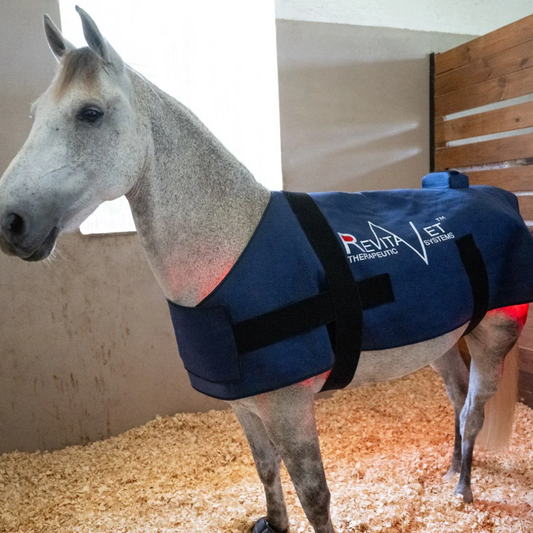
$3,999.99
$3,999.99
Regular priceRevitaVet Infrared Blanket: The Ultimate Solution for Pre/Post Competition Recovery Elevate your horse's performance and recovery with the RevitaVet Infrared...

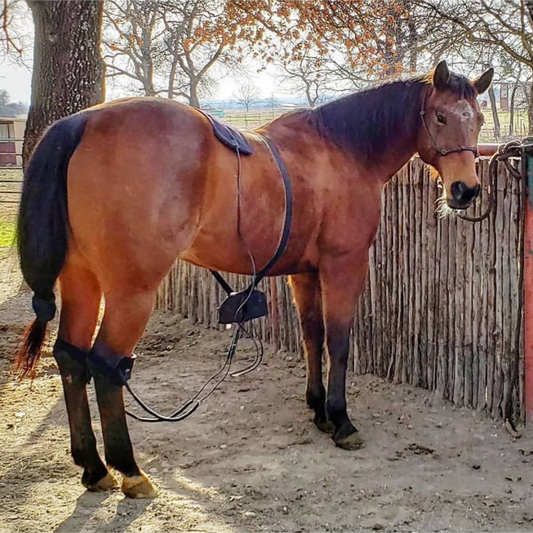
$1,999.00
$1,999.00
Regular priceRevitaVet IR2 Complete: Advanced Wearable Laser Therapy for Horses The RevitaVet IR2 Complete from RevitaVet Therapy Systems is a revolutionary...


$1,850.00
$1,850.00
Regular priceOur Redline Back Wrap offers BOTH Red Light and Near Infrared light therapy. It offers 1304 LEDs that each contain...

$759.00
$759.00
Regular priceRevitaVet Hock Saver Set (Right & Left Hock): Effective Relief for Hock Injuries The RevitaVet Hock Saver Set is an...

$739.00
$739.00
Regular priceRevolutionize Horse Care with the BackSaver LED Therapy Device Discover the ultimate solution for maintaining your horse’s health and comfort...

XLR8 Equine Redline Hock Boot - Pair
$630.00
$630.00
Regular priceCordless, convenient, and extremely effective. XLR8 Redline Hock Wraps offer BOTH Red and Near-Infrared therapy in one simple device. Use...

Lactic acid management and muscle oxygenation are key topics in internal recovery. Some trainers consider pre-performance supplements that may help modulate lactic acid production and delay fatigue. For example, there are amino-acid–based formulations sometimes used pre-exercise to support metabolic readiness. Other teams use post-performance products aimed at enhancing oxygen delivery and circulation to muscles and joints to facilitate recovery.
If you’re evaluating internal supplements:

$30.99
$30.99
Regular priceAniMed Mag-Right is a proprietary blend of magnesium oxide combined with magnesium proteinate. Magnesium is a required micromineral for horses...

$43.99
$43.99
Regular priceUpgrade your horse’s conditioning with AniMed Muscle-Up Powder. Specifically designed to support the muscular system, nerve function, and circulatory health,...

AniMed TIE-BY Muscle Support Powdered Supplement
$45.59
$45.59
Regular priceHelp keep your horses in peak shape with AniMed TIE-BY Performance Horse Supplements. This equine supplement is packed with powerful...

$199.99
$199.99
Regular priceNatural Supplement for Softer, More Flexible Muscles and Joints Customers report: Increased suppleness and flexibility: Horses feel softer and more...

Auburn Laboratories Advanced Protection Formula Pro Muscle & Gastric Support Liquid Supplement
$165.99
$165.99
Regular priceAuburn Laboratories, Inc. Advanced Protection Formula Pro horse supplement combines APF with advanced muscle-building and gastric benefits to deliver the...

$19.95
$19.95
Regular priceBC2A®: Premium Branched Chain Amino Acid Supplement for Optimal Muscle Performance Elevate your horse's performance with BC2A®, a scientifically formulated...

$111.00
$111.00
Regular priceBluebonnet® Amino Edge™ PACKAGING UPDATE: *(Formerly Stride Competitive Edge). Amino Edge™ is a superior amino acid supplement that contains all 10...

Bluebonnet Hydrate + Recover (Turbo Mag BCAA)
$59.00
$59.00
Regular priceBluebonnet® Hydrate + Recover™ PACKAGING UPDATE: *(Formerly Stride Turbo Mag BCAA) The improved name will make it easier for customers to understand...

$296.00
$296.00
Regular pricePACKAGING UPDATE: *(Formerly Stride Moving Up). This update highlights what this product really does—help muscles recover and stay strong during exercise. ...

$153.99
$153.99
Regular priceCavalor FreeBute Powder is formulated with a blend of natural ingredients to support the muscles and joints of active horses....

Rest is a foundational element of recovery. Adequate rest helps the horse physiologically recover and mentally reset after demanding performances. Rest strategies can include:
Integrating recovery into your show plan
Elite equine athletes rely on thoughtfully integrated recovery—encompassing external therapies, internal support, and purposeful rest—to translate training into peak performance. When combined with precise periodization and professional guidance, these recovery components help ensure that horses remain sound, competitive, and eager to perform.

The new year arrives with two common rhythms for the equine industry: some teams hunker down through deep winter and ice-related upkeep, while others ramp into winter show circuits. Whether...
The new year arrives with two common rhythms for the equine industry: some teams hunker down through deep winter and ice-related upkeep, while others ramp into winter show circuits. Whether...

The start of a new season is the perfect time to reset your tack room. A well-kept tack room isn’t just about aesthetics, it protects your equipment, saves time, and...
The start of a new season is the perfect time to reset your tack room. A well-kept tack room isn’t just about aesthetics, it protects your equipment, saves time, and...

Introducing Atletix Horse Horse owners and performance riders, we’re thrilled to announce a game-changing supplement that’s just arrived at CORRO: The Atletix Horse Supplement, a 100% natural feed supplement developed in Sweden...
Introducing Atletix Horse Horse owners and performance riders, we’re thrilled to announce a game-changing supplement that’s just arrived at CORRO: The Atletix Horse Supplement, a 100% natural feed supplement developed in Sweden...