Heat Stress in Horses: How to Spot It, Prevent It, and Cool Your Horse Safely
Written by: Berna Thorne
Published on:


Heat stress can happen during exercise, turnout, travel, competition, or even while standing in a poorly ventilated barn. It is not just a “hard workout” problem.
Common causes include:
Hot weather
High humidity
Poor airflow in barns or trailers
Long periods in direct sun
Heavy exercise
Dehydration
Electrolyte loss through sweat
Long or heavy coats
Poor fitness or lack of heat acclimation
Transportation during hot weather
Limited access to clean water or shade
A simple rule many horse owners use is to add the air temperature in Fahrenheit plus the relative humidity. If that number is over 150, it may be time to reduce intensity, ride earlier or later, or skip hard work, especially if the horse is not acclimated to the heat.

Knowing the early signs of heat stress in horses matters. The sooner you notice a horse is struggling, the easier it is to step in before the situation becomes dangerous.
Watch for:
Heavy or excessive sweating
Rapid or shallow breathing
Elevated heart rate
Rectal temperature above normal
Slow recovery after exercise
Weakness or fatigue
Droopy ears or dull attitude
Stumbling, wobbliness, or poor coordination
Tacky or dry gums
Skin tenting that takes several seconds to return
Reduced appetite or interest in water
Little or no sweating in hot conditions
UF/IFAS lists common signs of heat stress as rapid or shallow breathing, elevated body temperature over 102°F, heart rate over 60 beats per minute, unpredictable behavior, stumbling gait, and profuse sweating.
A horse showing severe signs, such as collapse, disorientation, very high temperature, or neurological symptoms, needs veterinary help immediately. Merck Veterinary Manual describes severe exertional heat illness as potentially involving altered mental status, ataxia, collapse, seizures, coma, and death.

The old idea that you should avoid cold water on a hot horse is outdated. If a horse is overheated, active cooling is important.
Move the horse to shade or a cooler, well-ventilated area. Offer small amounts of cool, fresh water. Hose or sponge the horse with cool water, focusing on large muscle areas, and repeat until the horse begins cooling down. Use airflow from fans when possible.
UF/IFAS notes that continuously showering horses with tap water, or frequently scraping and reapplying water, is one of the most effective ways to rapidly lower body temperature. Merck Veterinary Manual also recommends rapid external cooling for moderate to severe exertional heat illness, with cool hosing, shade, drinking water, and monitoring for rebound hyperthermia.
A practical barn routine:
Stop work immediately.
Move to shade or airflow.
Offer cool water.
Hose with cool water.
Scrape and reapply water, or keep hosing continuously.
Use fans when available.
Monitor temperature, breathing, and attitude.
Call your vet if signs are severe or not improving quickly.

$36.00
$36.00
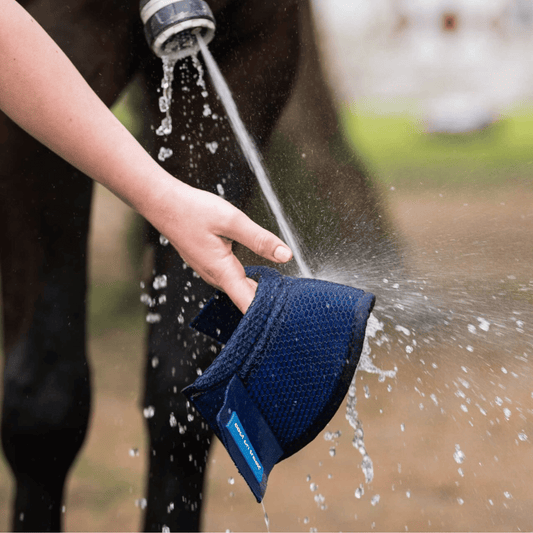
Regular priceSold in Pairs Bell Boots in a classic model, with cooling effect. Cool on Track® Bell Boots wrap the entire...

$83.00
$83.00
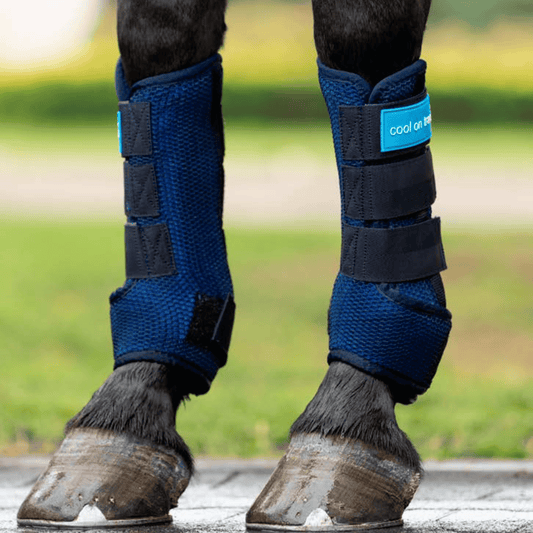
Regular priceQuick Wraps in a classic model that molds to the horse’s lower legs and apply a cooling effect to the...

$279.99
$279.99
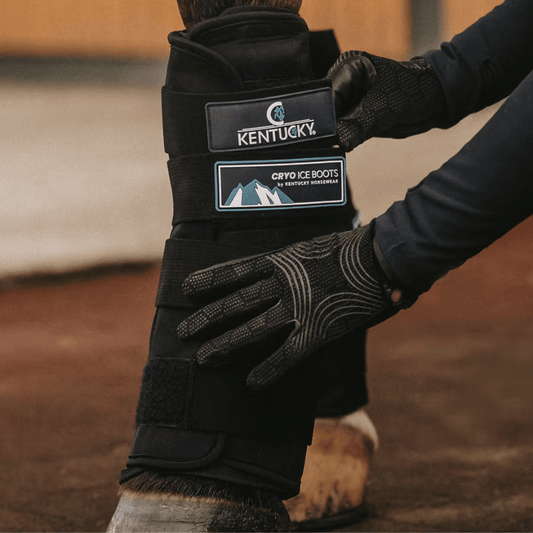
Regular priceThe Cryo ice boots are the ideal cooling boots that can be used after exercise or competition to cool down...

$35.00
$35.00
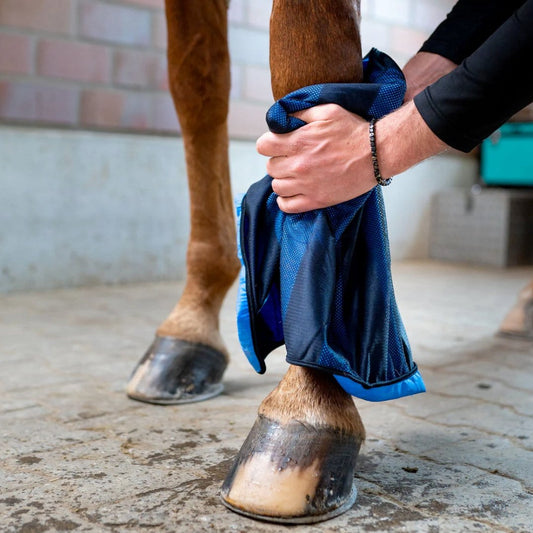
Regular priceBack On Track Cool on Track Towel — Stay Cool and Refreshing During Hot Summer Days Beat the heat with...

$101.99
$101.99
Regular priceProfessional's Choice Hock Ice Boots feature a neoprene exterior that insulates gel pockets, keeping the boots colder for longer periods....

$34.95
$34.95
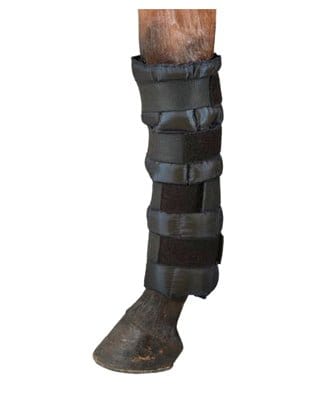
Regular priceThe Tough-1 Cooling Ice Boot is a fast and easy way to apply cold therapy to your horse. It easily...

$228.00
$228.00
Regular priceThe EquiFit GelCompression Therapy Line reduces inflammation, controls swelling, and decreases risk of injury. GelPaks adhere to an outer shell...

$228.00
$228.00
Regular priceThe EquiFit GelCompression Therapy Line reduces inflammation, controls swelling, and decreases risk of injury. GelPaks adhere to an outer shell...

$188.00
$188.00
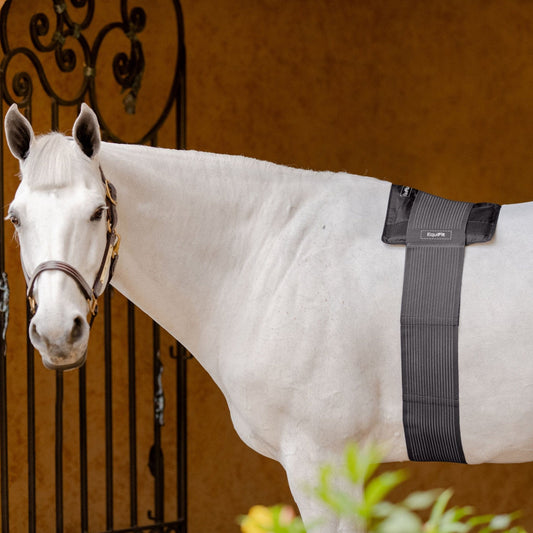
Regular priceThe EquiFit GelCompression Therapy Line reduces inflammation, controls swelling, and decreases risk of injury. GelPaks adhere to an outer shell...

$184.00
$184.00
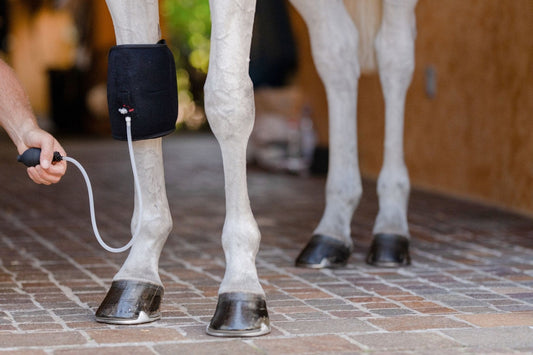
Regular priceThe EquiFit GelCompression Therapy Line reduces inflammation, controls swelling, and decreases risk of injury. GelPaks adhere to an outer shell...

Sweating helps horses cool down, but sweat also means fluid and electrolyte loss. During summer, horses need constant access to clean, fresh water. Buckets and troughs should be checked often, especially at shows, during travel, or when temperatures rise.
Electrolytes can be helpful for horses that are sweating heavily, working in hot weather, traveling, competing, or recovering after exercise. They help replace minerals lost through sweat, but they should never replace water. Always make sure your horse has access to clean water when feeding electrolytes.
It is also smart to offer plain salt free-choice or as recommended by your vet or nutritionist. Some horses are picky drinkers, especially away from home, so keeping hydration routines consistent can make a big difference.

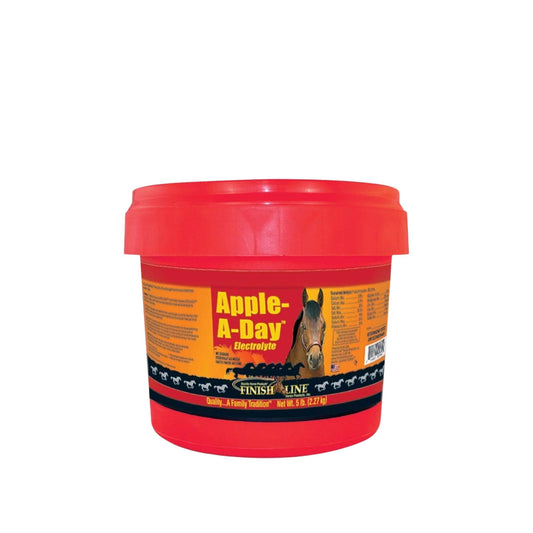
$16.49
$16.49
Regular priceEnsure your horse is healthy and hydrated at all times. All horses lose electrolytes during the day due to normal...

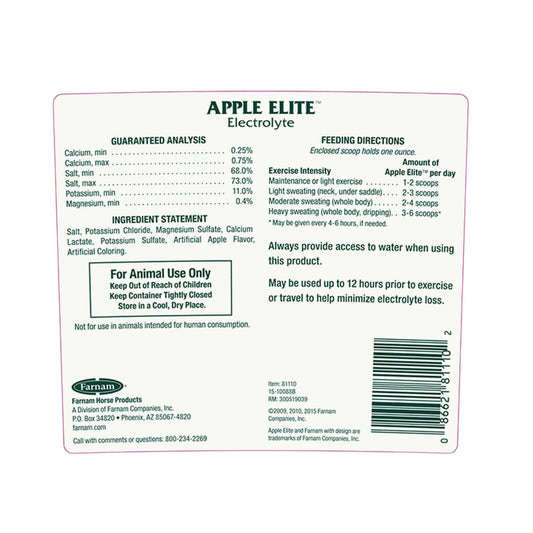
$17.99
$17.99
Regular priceGreat for warm weather or before an especially tough training session, Apple Elite Electrolyte Powder helps to quickly replenish essential...

$129.99
$129.99
Regular priceSupport the optimal health of performance horses with Finish Line Horse Products Total Control Horse Supplement. This all-in-one equine supplement...

$5.99
$5.99
Regular priceEnsure your horse has a healthy mineral balance with Redmond Rock. This free-choice horse supplement is made from natural sea...

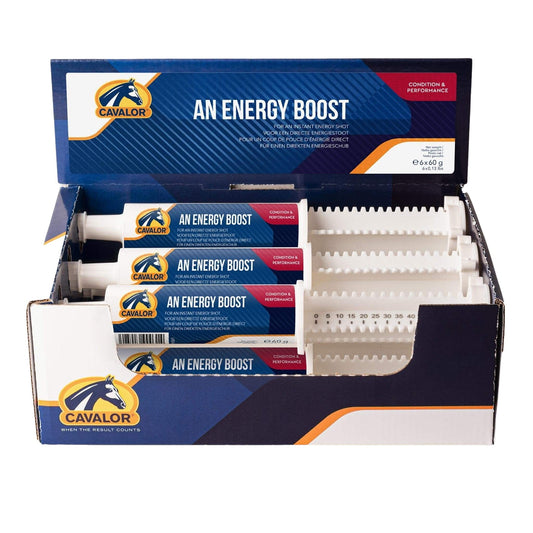
$13.99
$13.99
Regular priceHelp your horse perform at its best with Cavalor An Energy Boost. This paste formula provides the extra burst of...

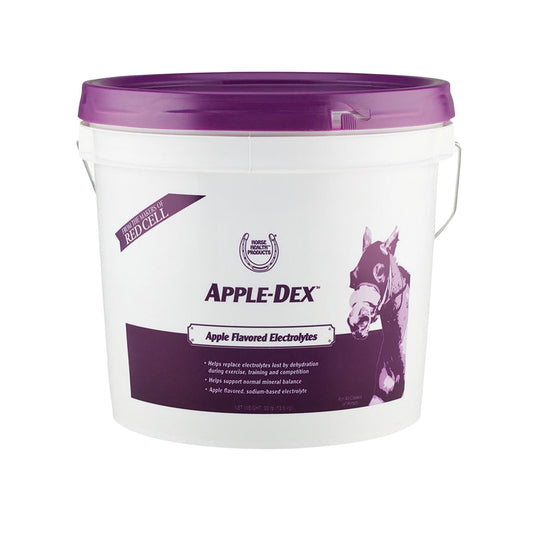
$15.99
$15.99
Regular priceApple-Dex Electrolyte Supplement helps replace electrolytes lost by dehydration during exercise, training and competition; It supports normal mineral balance and helps...

$90.99
$90.99
Regular priceHorses of all ages and performance levels can benefit from the addition of Cavalor Nutri Plus supplement. This easily-absorbed pelleted supplement contains...

$31.99
$31.99
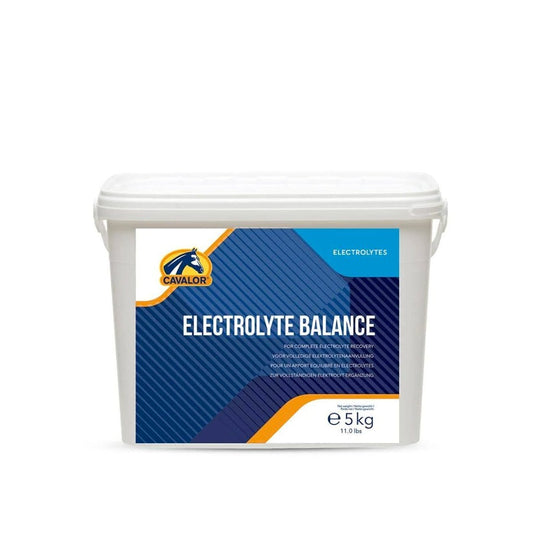
Regular priceA fast-absorbing electrolyte mixture, CAVALOR Electrolyte Balance helps facilitate recovery after physical exertion. It's ideal for use in hot weather,...

$19.95
$19.95
Regular priceWhen performance horses sweat, they lose a significant amount of essential electrolytes - particularly sodium, chloride and potassium - that...

$9.99
$9.99
Regular priceSummer Games Plus, a 60 cc nutritional paste for horses, delivers essential electrolytes for peak performance while incorporating a buffering...

You cannot control the weather, but you can adjust your horse’s routine.
Ride early in the morning or later in the evening when temperatures are lower. Reduce intensity during hot, humid weather. Give horses access to shade, airflow, and clean water. Avoid hauling during the hottest part of the day when possible. Cool horses thoroughly after work, and pay extra attention to older horses, young horses, overweight horses, dark-coated horses, and horses that are not used to the heat.
Your summer checklist should include:
Fresh water
Shade
Good barn airflow
Smart ride timing
Electrolytes when appropriate
A real cooldown routine
Close monitoring after exercise
A plan for when to call the vet
The goal is not to panic every time it gets hot. The goal is to be prepared before your horse is already struggling.

From show-ring polish to lucky little details and stall-day lifesavers, here’s what we’d pack for Pony Finals week.
From show-ring polish to lucky little details and stall-day lifesavers, here’s what we’d pack for Pony Finals week.